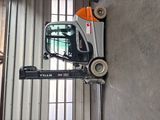
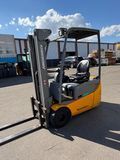
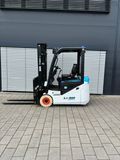
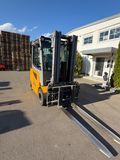
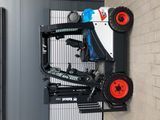
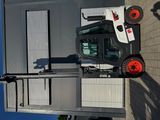
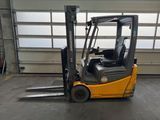
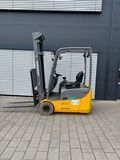
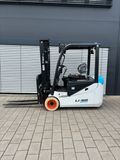
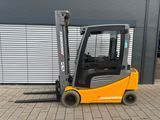
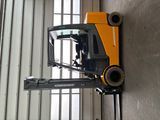
Acquiring a used forklift can be a smart economic decision for many companies, especially for those just starting out or working with a limited budget. The market for pre-owned warehouse equipment offers a wide selection of models, but a successful purchase depends on thorough inspection and a correct assessment of the machine's condition. After all, no one wants to buy a used forklift that immediately requires expensive repairs.
In this guide, we'll delve into what you should look for to **choose a used forklift** that will perform its functions effectively and justify your investment.
Pros and Cons of Buying a Used Forklift

Pros:
- Cost Savings: Significantly lower initial price compared to new equipment.
- Immediate Availability: Used models are often available for immediate purchase.
- Less Depreciation: The main loss of value occurs in the first few years of a new machine's operation.
Cons:
- Hidden Defects: Potential for malfunctions that are difficult to detect without professional diagnosis.
- Shorter Lifespan: Depends on previous use and maintenance.
- Higher Repair Costs: Worn components may require replacement sooner.
Key Aspects for Inspecting a Used Forklift

To minimize risks when buying, conduct a thorough inspection and diagnosis. Here's what to pay attention to:
1. Exterior Inspection and Overall Condition
- Frame and Chassis: Look for cracks, deformations, signs of heavy impacts, or poor-quality repairs. Corrosion (rust) indicates insufficient care or operation in a damp environment.
- Mast and Forks: Check for bends, cracks, excessive wear on the forks, especially at the tips. Pay attention to the smooth movement of the mast up and down and the absence of excessive play.
- Tires: Assess the degree of wear. Uneven wear can indicate suspension problems or improper alignment.
- Operator's Cabin: Check the integrity of the overhead guard, seat, dashboard, and the functionality of all controls (levers, buttons, pedals).
- Hydraulic Hoses and Cylinders: Inspect for fluid leaks, cracks, or chafing on the hoses. Cylinders should not show signs of leaks or rod damage.
2. Test Run and Engine/Battery Performance
- Engine Start (for Diesel/Gas): Easy start without excessive noise or smoke (especially blue or black smoke). Check for fuel or oil leaks.
- Engine Operation: Smooth, stable sound at idle and under load. Check performance at various RPMs.
- Battery (for Electric Forklifts): Check the condition of the terminals, absence of corrosion. If possible, assess the operating time on a single charge (though this is difficult without full discharge/recharge). It's crucial to check the voltage of the cells and the overall battery health. A severely discharged battery may indicate the end of its life cycle.
3. Checking Operational Systems
- Braking System: Check braking effectiveness, absence of unusual noises (squealing, grinding).
- Lifting Mechanism: Lift and lower the forks with a load (if possible) and without. Movement should be smooth, without jerking, sticking, or excessive vibrations. Check the maximum lift height.
- Steering System: The steering wheel should turn easily, without excessive play or unusual noises. Check the forklift's ability to turn in both directions.
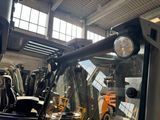
- Lighting and Signaling: Check the functionality of headlights, brake lights, turn signals, horn, and beacons (if present).
4. Documentation and Service History
- Service Book / Maintenance Log: The presence of complete and regular service records is a strong indicator of responsible equipment management. Pay attention to the dates of the last services and the replacement of key components.
- Ownership Documents: Ensure all documents are in order and the seller is the legal owner.
- Hours of Operation: Pay attention to the hour meter reading. While not the only factor, high hours can indicate significant wear.
Buying from a Dealer vs. Privately?

Buying a used forklift from a reputable dealer has its advantages:
- Pre-sale Preparation: Forklifts often undergo diagnosis and necessary repairs before sale.
- Legal Clarity: Lower risk of issues with documentation.
- After-sales Service: Possibility of future maintenance and spare parts acquisition.
A private purchase may be cheaper but carries higher risks and requires in-depth knowledge from the buyer or the involvement of an independent expert.
Conclusion: Caution is Key to a Successful Purchase
Choosing and purchasing a used forklift requires time and attention to detail. Thorough inspection of all systems, review of documentation, and, if possible, involving a qualified mechanic will help you avoid unpleasant surprises. Remember that investing in quality diagnostics before purchasing will pay off, protecting you from significantly higher repair costs in the future.
If you're unsure about performing a complete diagnosis yourself, or if you're looking for verified options for **used forklifts**, contact the experts. Booster Lift offers a wide selection of used forklifts that have undergone thorough inspection and pre-sale preparation. Browse our catalog of used forklifts or contact us for a consultation!